Why Travel in the Rainy Season?
Description: Understand the perks of visiting Costa Rica during the green season, from cost savings to natural beauty.
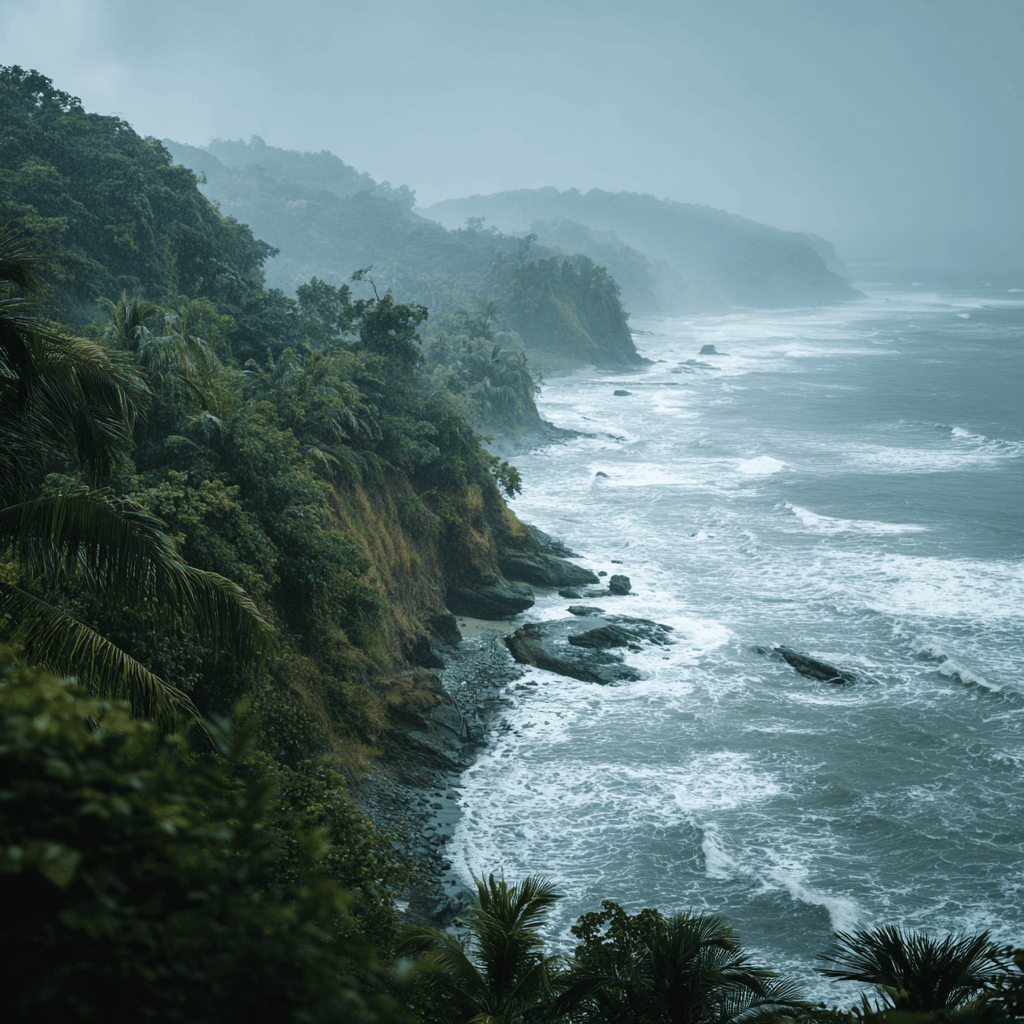
The rainy season, running from May to November, is Costa Rica’s best-kept secret for savvy travelers. Expect lush jungles, blooming flowers, and waterfalls at their fullest, like La Fortuna Waterfall or Nauyaca Falls. Prices drop 20-40% on accommodations, tours, and transport compared to the dry season (December-April), making it ideal for budget travelers. Fewer crowds mean more space to enjoy spots like Manuel Antonio National Park or Tamarindo’s beaches. Rain typically falls in short, predictable afternoon bursts (1-3 hours), leaving mornings sunny for hiking or surfing. Plus, the green season aligns with turtle nesting (July-October) and whale migrations (August-September), offering unique wildlife sightings. Embrace the rain, and you’ll discover a vibrant, quieter Costa Rica.
Planning Your Rainy Season Trip
Description: Tips for scheduling your trip to maximize enjoyment and minimize weather disruptions.
Time It Right: Early green season (May-June) has lighter showers, while September-October brings heavier rain but the greenest landscapes. Aim for morning activities when skies are clearer—most tours, like Arenal hikes or Santa Teresa surf lessons, start at 7-8 AM to beat the rain.
Choose the Right Regions: The Caribbean coast (e.g., Puerto Viejo, Cahuita) sees less rain in September-October, while the Pacific coast (Tamarindo, Manuel Antonio) is wetter but manageable with planning. Central areas like Monteverde thrive in the misty green season for cloud forest vibes.
Book Flexibly: Opt for accommodations and tours with lenient cancellation policies (check through CostaRicaYP). Many operators offer rain checks or rescheduling for heavy downpours.
Check Weather Daily: Use apps like AccuWeather or local sites like IMN (Costa Rica’s weather service) to plan around rain patterns. Morning forecasts are reliable for scheduling hikes or beach time.
Pro Tip: Book tours and stays 1-2 months ahead for green season discounts. Use CostaRicaYP’s itinerary planner to schedule morning adventures and indoor backups.
Packing for the Rainy Season
Description: Essential gear to stay comfortable and prepared for wet weather.
Packing smart is key to enjoying the green season. Here’s what to bring:
Rain Gear: A lightweight, packable rain jacket or poncho is a must. Waterproof hiking boots or quick-dry sandals (like Tevas) work for muddy trails or beach walks.
Quick-Dry Clothing: Pack moisture-wicking shirts, shorts, and socks for humid jungles. Long sleeves protect against bugs, which thrive in wet months.
Waterproof Bags: Use a dry bag ($10-20) for electronics or a backpack rain cover for day trips. Ziplock bags are great for small items like passports.
Essentials: Bring reef-safe sunscreen (rain doesn’t stop UV rays), bug spray (DEET-based for jungle areas), and a reusable water bottle to stay hydrated.
Extras: A compact umbrella for city strolls in San José and a microfiber towel for quick drying after swims or showers.
Pro Tip: Pack light to avoid lugging wet clothes. Buy rain gear locally at stores like Walmart in San José if you forget anything—it’s cheaper than at airports.
Best Indoor Activities for Rainy Days
Description: Fun and engaging activities to enjoy when the rain hits, perfect for families or solo travelers.
When showers roll in, Costa Rica offers plenty of indoor experiences to keep the Pura Vida flowing:
Coffee Tours: Visit Café Britt in Heredia ($26) or North Fields Café in La Fortuna ($43) for cozy coffee and chocolate workshops. Learn to brew with a chorreador while staying dry.
Cooking Classes: Join a class at Manuel Antonio Foodie in Quepos ($50) to make empanadas or ceviche. These hands-on sessions are kid-friendly and include tasty meals.
Museums in San José: Explore the Jade Museum ($16) or National Museum ($11) for a dose of Costa Rican history and pre-Columbian artifacts. Both are central and perfect for rainy afternoons.
Spa Days: Relax at a spa like The Springs Resort in La Fortuna, where indoor hot spring pools ($30-50 day pass) offer a warm escape from the rain.
Local Markets: Browse covered markets like San José’s Mercado Central for souvenirs, coffee, or snacks ($1-5). It’s a cultural immersion that’s rain-proof.
Pro Tip: Check costaricayp.com for indoor tour deals, and book spa or museum visits in advance for groups to secure spots.
Outdoor Activities That Shine in the Rain
Description: Embrace the green season with outdoor adventures that are even better in wet weather.
Rain enhances some activities, making them uniquely memorable:
Waterfalls: Visit swollen cascades like La Fortuna Waterfall ($18 entry) or Rio Celeste in Tenorio Volcano National Park ($12). Rain makes them thunderous and photogenic.
Whitewater Rafting: The Pacuare River’s Class III-IV rapids are wilder in the green season. Tours ($80-120) include jungle scenery and are safe with experienced guides.
Wildlife Tours: Rain brings out animals like frogs and snakes. Join a night tour in Monteverde ($25) to spot red-eyed tree frogs or a Corcovado day trip ($80-150) for tapirs.
Hot Springs: Soak in natural hot springs like Eco Termales in La Fortuna ($40) where rain adds a misty, magical vibe. Book through CostaRicaYP for deals.
Turtle Nesting: On the Caribbean coast (Tortuguero, July-October), watch sea turtles nest in the rain ($35 guided tours). It’s a bucket-list experience.
Pro Tip: Wear waterproof hiking boots for muddy trails, and book morning tours to avoid heavier afternoon rain.
Budget Hacks for the Green Season
Description: Save money while enjoying Costa Rica’s rainy season perks.
The green season is a budget traveler’s dream, with lower costs across the board:
Accommodations: Hostels like Selina Puerto Viejo ($10-20/night) or cabinas like Cabinas Jiménez ($20-40/night) offer 20-40% discounts. Eco-lodges like Finca Luna Nueva drop to $30-50/night.
Tours: Operators slash prices—expect $60 for Arenal hikes (vs. $80 in dry season) or $30 for Monteverde night tours (vs. $40). Check CostaRicaYP for deals.
Transport: Public buses ($5-15 for major routes) are cheapest, while shared shuttles ($20-40) offer comfort at a discount. Rent cars for $15-30/day in off-peak months.
Dining: Eat at sodas for $5-8 casados. Buy fruit at ferias (farmers’ markets) for $1-3 to snack on the go.
Pro Tip: Use colones (CRC) for local vendors to avoid USD markups. Carry small bills ($1-5 equivalents) for sodas and markets.
Getting Around in the Rain
Description: Navigate Costa Rica’s roads and trails safely during the wet season.
Buses & Shuttles: Public buses ($5-15) are reliable but can be delayed by muddy roads. Shared shuttles ($20-40) are faster and avoid rural routes prone to flooding.
Car Rentals: A 4x4 ($40-60/day) is essential for unpaved roads to places like Santa Teresa or Monteverde. Check tires and wipers before renting.
Local Transport: Taxis or bikes ($5-10/day) work in towns like Puerto Viejo. Avoid biking on muddy trails to stay safe.
Pro Tip: Book shuttles through CostaRicaYP for routes like San José to Manuel Antonio, and check road conditions on Waze for rural drives.
Sustainability in the Green Season
Description: Travel responsibly to support Costa Rica’s eco-friendly ethos.
The green season highlights Costa Rica’s commitment to sustainability, with lush forests thriving. Stay at eco-lodges like Playa Nicuesa ($50/night) that use solar power. Choose tours with operators like Osa Conservation that fund park preservation. Use reusable water bottles and reef-safe sunscreen to minimize waste, aligning with Costa Rica’s 99.98% renewable energy ethos.